


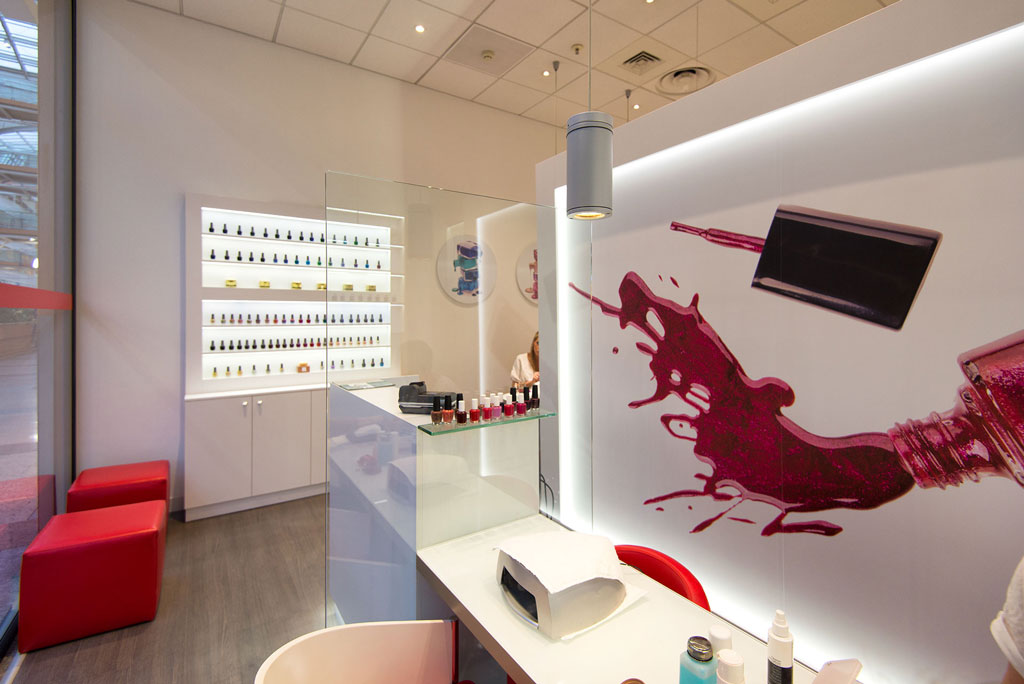
Nail Salon Furniture
Comfort and easy to use with unique design solutions
We design spaces dedicated to personal care with a tailored approach. Nail salon furniture must combine operational functionality for professionals with an aesthetic capable of communicating order. Every element within the salon contributes to defining the client experience while optimising staff workflows.
The identity of a salon is reflected in architectural choices and furnishing accessories. The positioning of elements and lighting design are crucial phases in creating an efficient working environment. Choosing bespoke furniture allows us to adapt the structures to the actual dimensions of the premises, avoiding wasted surface area to guarantee fluid circulation.
Catalog
Professional products for nail centers
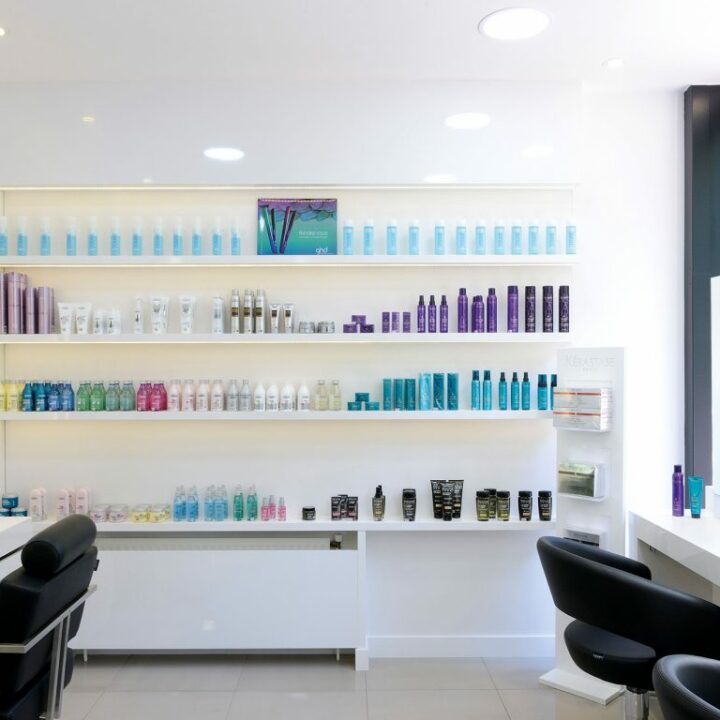
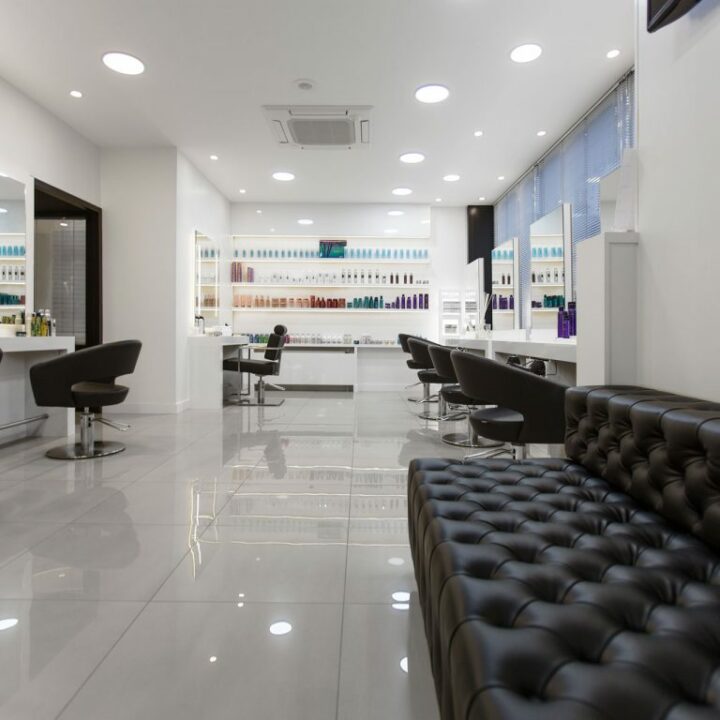
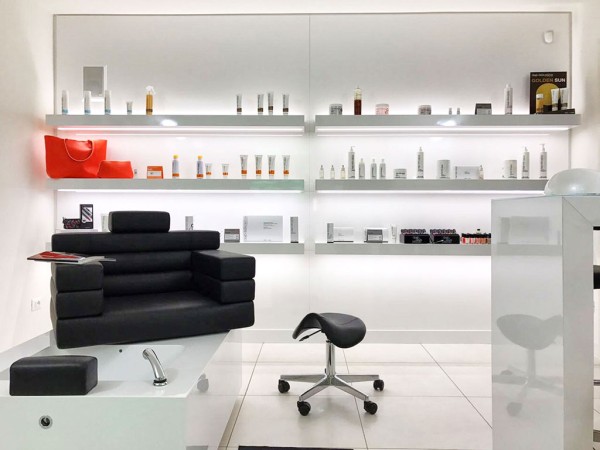
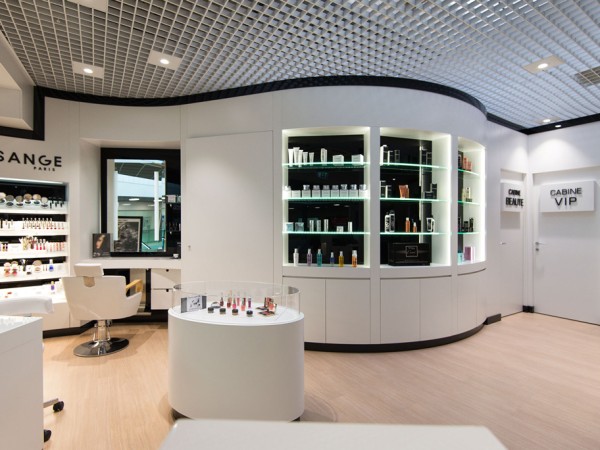
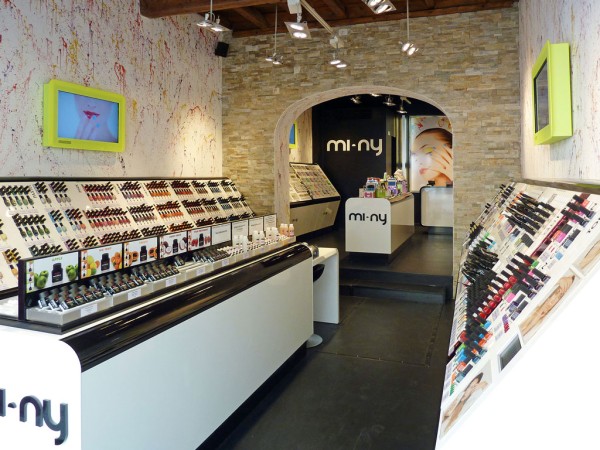
The sale of beauty products is facilitated if the showcases are designed to highlight the product and its packaging. Nail polishes, manicure accessories, creams and skin conditioners find their exaltation in the FIAPP showcases.
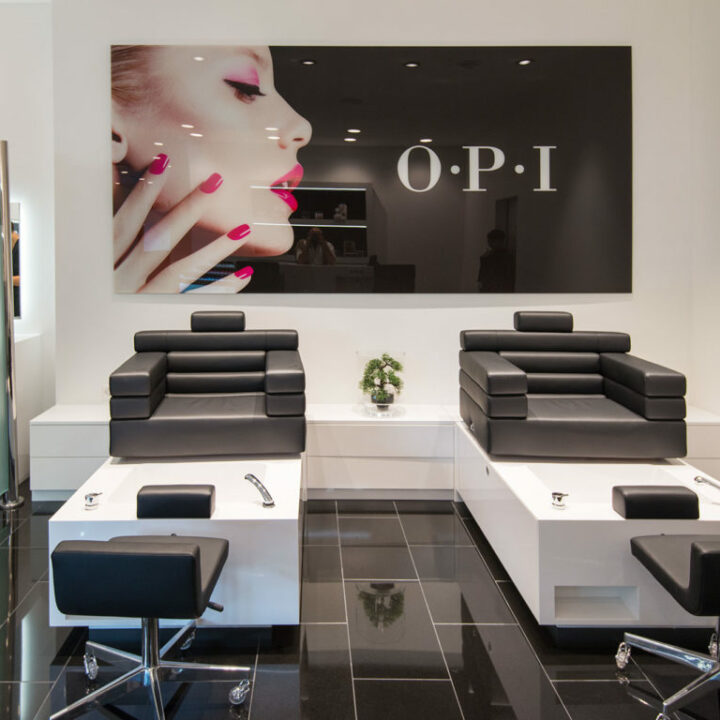
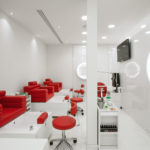
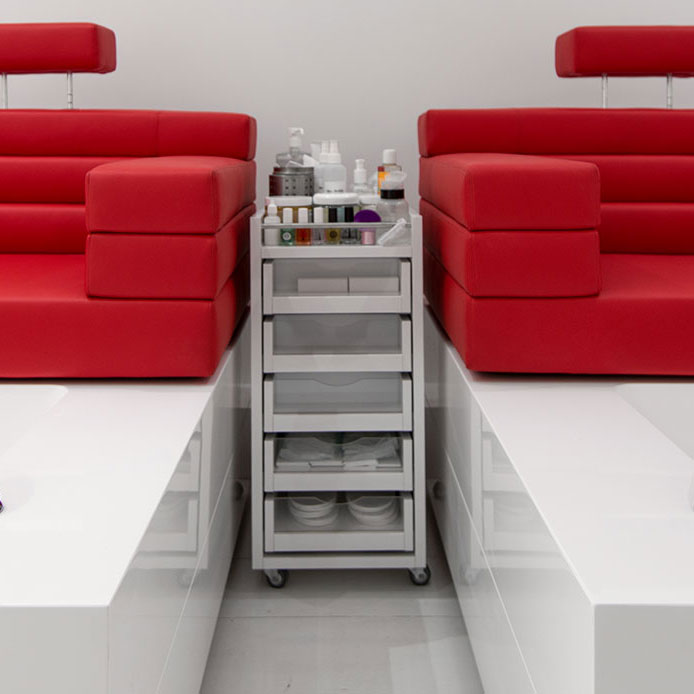
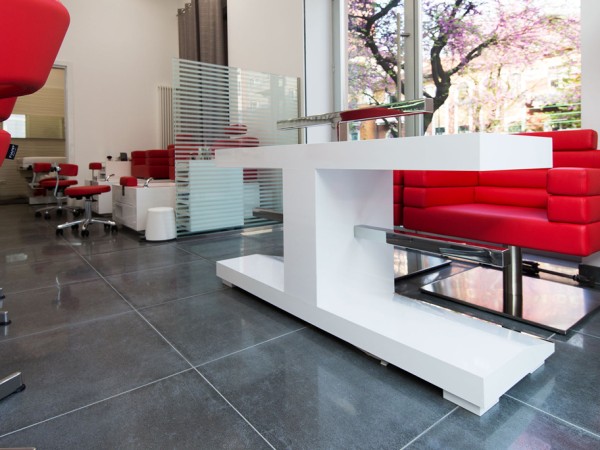
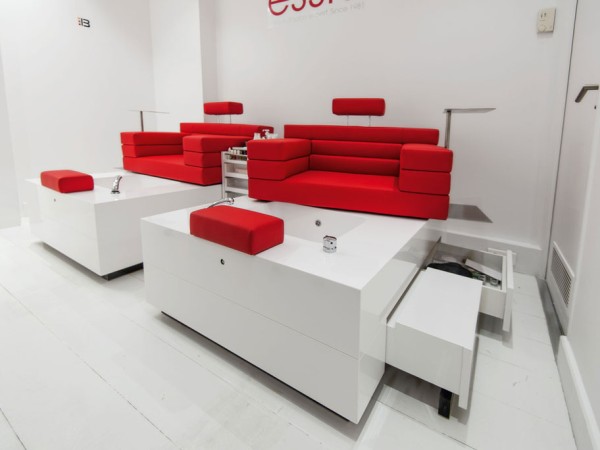
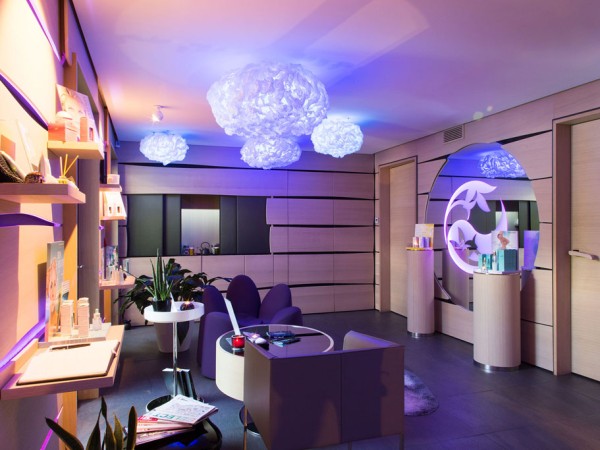
At the center of the furnishings of the beauty centers are the areas dedicated to manicures and pedicures, with comfortable seats and armchairs that guarantee maximum relaxation.
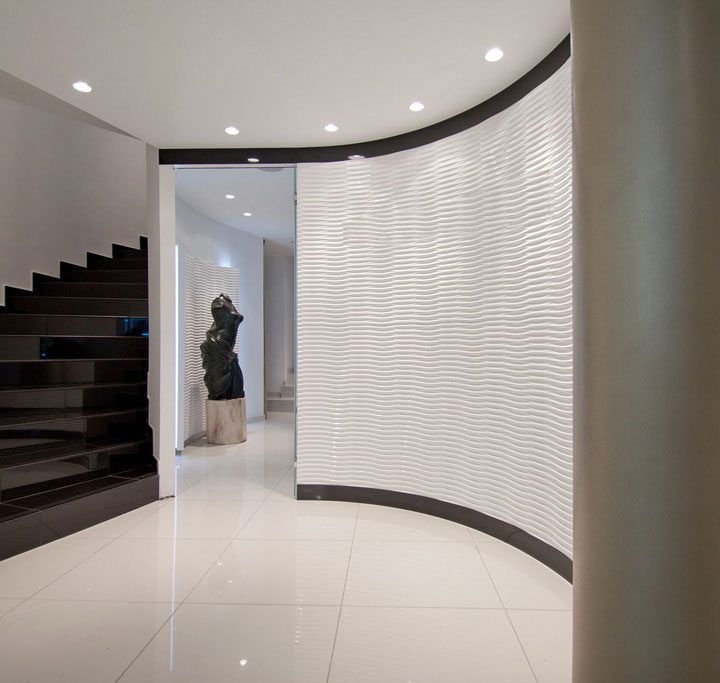
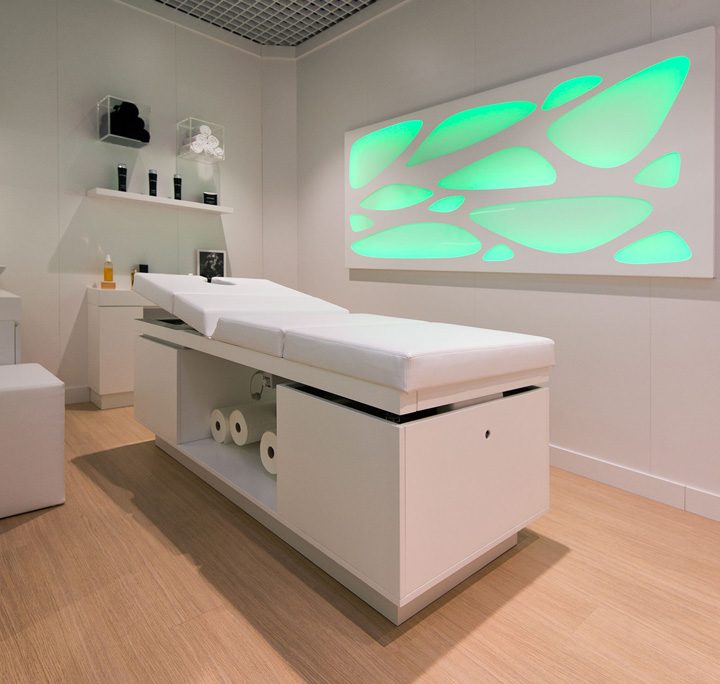
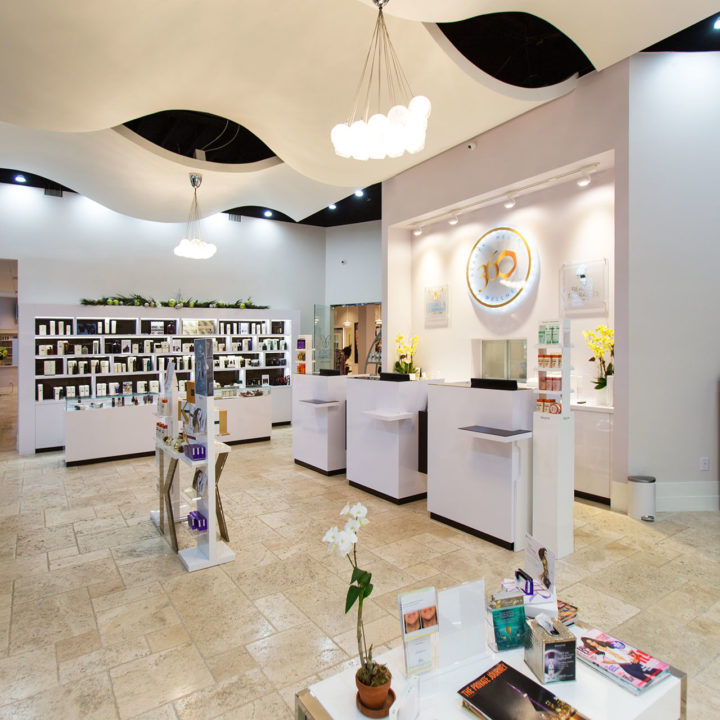
Our project. Your style.
Professional realizations of furniture for nail centers
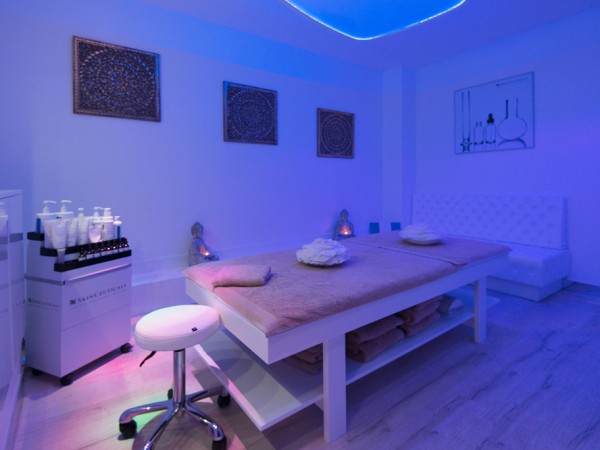
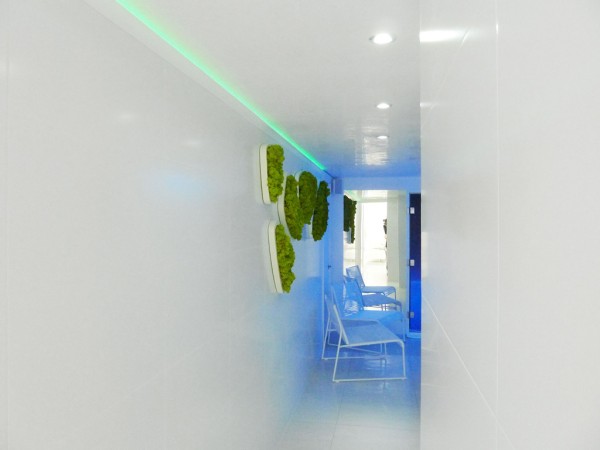
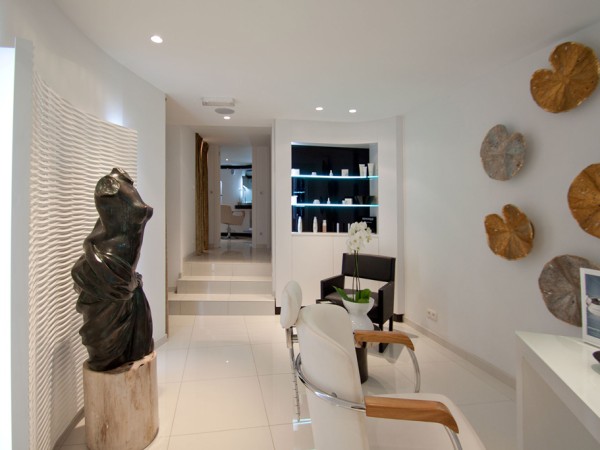
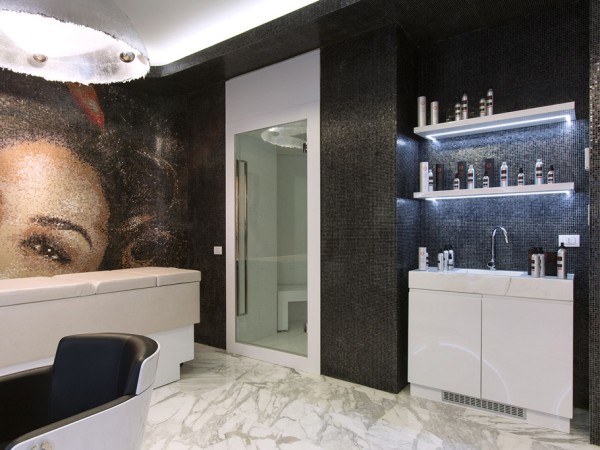
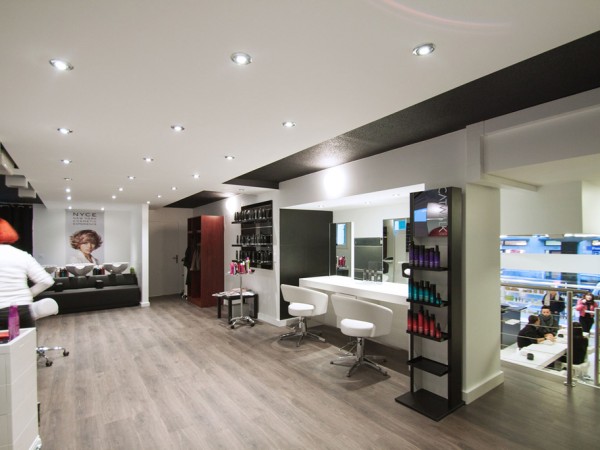
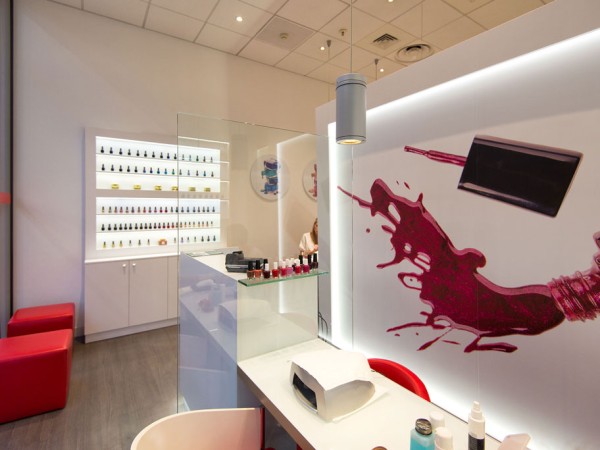
FIAPP develops the complete project of an beauty centre or wellness center, develops entire concepts for companies in the sector, taking care of every detail with passion and professionalism. FIAPP provides everything necessary to create a functional, safe and cozy work area, evaluating together with the customer the characteristics of the individual creations, developed to measure and customizable in all aspects: materials, colors, finishes and style.
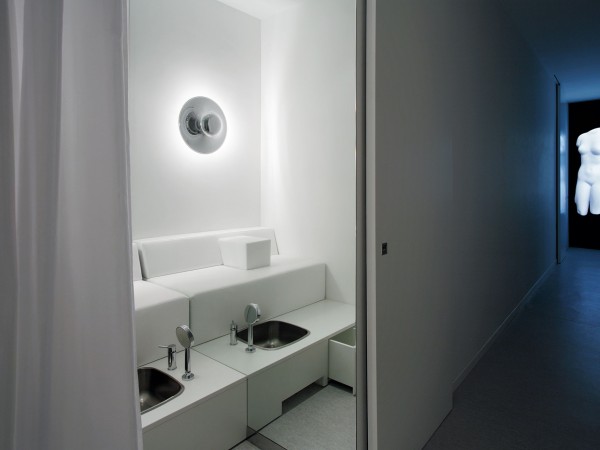
Spatial Optimisation and Reception
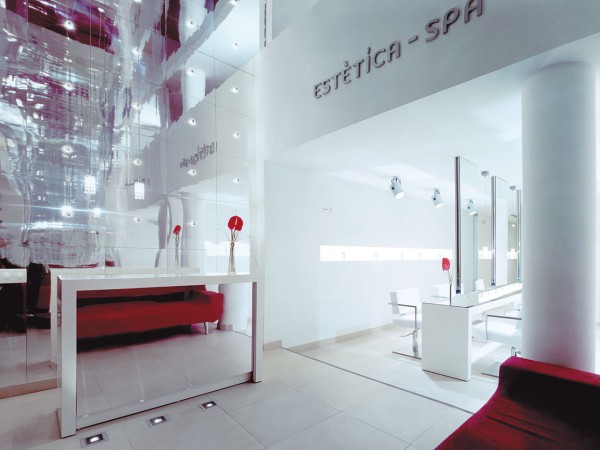
The floor plan is the first thing to look at when planning a salon fit-out. An organised environment conveys serenity to the client from the moment they enter. The reception area sets the tone: a well-proportioned desk and comfortable seating shape the first impression.
Moving beyond this area, the operational space requires a logical subdivision of workstations. Both the sightlines and the circulation should guide people towards the treatment area. Stations must be spaced to precise specs to protect client privacy, allowing operators to move without obstacles to facilitate cleaning operations and material supply.
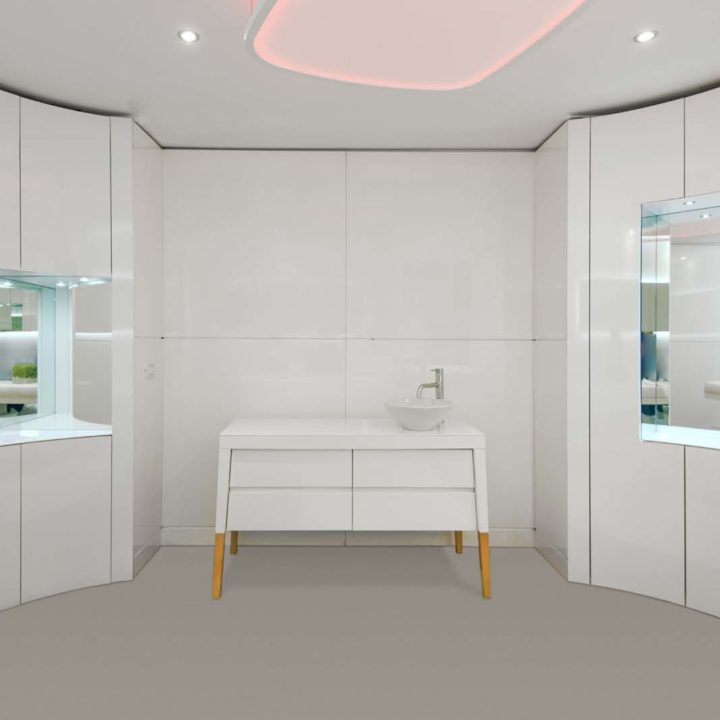
The use of customised solutions allows us to integrate built-in cabinetry and concealed technical compartments. These elements hide idle equipment and backstock, keeping the salon tidy.
Material Quality and Wear Resistance
Salon furniture takes heavy daily wear. The continuous use of solvents, resins, and chemicals requires high-performance surfaces. The choice of materials represents a long-term investment in the salon’s durability.
Worktops are made from compact, non-porous materials capable of resisting stains. Water-repellent finishes facilitate the frequent sanitisation procedures required by health regulations. Beyond the technical aspect, the texture of the surfaces contributes to tactile and visual comfort: treated woods or the latest resins look genuinely sophisticated.
Sustainability plays a significant role in raw material selection. The use of low-environmental-impact paints and panels derived from responsibly managed forests responds to a growing ecological sensitivity. This approach aligns with production practices aimed at reducing emissions, protecting air quality within the centre.
Core Working Elements
Each zone of the salon serves a specific function and requires furniture designed for that purpose. The balance between different operational areas determines the overall efficiency of the business.
Professional Manicure Tables and Ergonomics
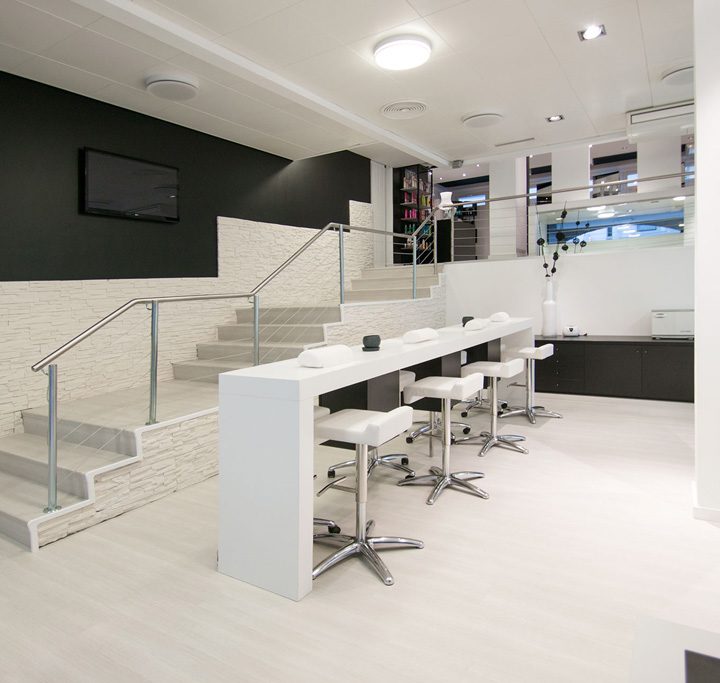
The heart of the activity takes place around the workstations. We design manicure tables respecting ergonomic criteria to prevent postural fatigue for the operator, who spends many hours in a seated position. The height of the surface and the legroom are variables that affect the quality of work.
Technological integration is a fundamental requirement for modern workstations. A manicure table with an integrated extractor fan allows for the capture of dust from filing at the source, improving air quality. The presence of hidden cable management for lamps and drills reduces clutter on the worktop. Drawers and lateral compartments are structured to be reached with ease, allowing the professional to have tools at hand without interrupting the treatment.
Display Units to Enhance Products
The display of cosmetics is of strategic importance for client consultation and retail sales. Anyone looking for ideas on how to furnish a nail salon must dedicate care to the display area. Glass display cases and wall shelving are designed to highlight nail polishes.
A well-proportioned display uses glass shelves to keep the space feeling light. The chromatic arrangement of products is enhanced by lighting integrated within the unit itself. Backlit shelves or hidden LED strips along the edges make the packaging stand out, discreetly drawing attention. Our bespoke design allows us to exploit unused niches and walls, transforming them into functional areas for merchandising.
How to Furnish a Nail Salon: Lighting Design
Light is a design element that influences colour perception and work precision. In a salon dedicated to nail care, we provide a layered lighting system. The general ambient light must be diffused, free of harsh shadows or glare.
For the workstations themselves, directional lighting plays a technical role. Lamps positioned above the workstations must have a high colour rendering index (CRI). This ensures that polish shades appear natural, a detail of primary importance for client satisfaction. We prefer neutral colour temperatures, which reduce eye strain during precision work, providing a clear image of the treated surface.
Our Bespoke Design Method
Creating a professional environment requires multidisciplinary skills that combine interior architecture and material knowledge. Our approach starts with listening to specific needs and analysing the available premises.
The development process involves studying pathways, defining volumes, and selecting finishes that reflect the brand identity. Artisanal production ensures that every piece of furniture integrates with the surrounding architecture. Attention to construction details determines the long-term solidity of the furniture.
Relying on our bespoke design means overcoming the limits imposed by mass-produced furniture, resulting in a salon where every detail is designed to facilitate the professional’s work and welcome the client into a comfortable space.
Frequently Asked Questions About Nail Salon Furniture
What technical requirements should a manicure table have?
A professional workstation must guarantee ergonomics for both the operator and the client. It is recommended that the top be made of solvent-resistant material, integrating a dust extraction system. There should be cable management holes for electrical equipment and storage compartments to keep tools tidy.
How to optimise space in a small salon?
In smaller environments, it is preferable to opt for multi-functional furniture and bespoke joinery that exploits wall height. Built-in displays or floating shelves reduce floor clutter. Light-coloured surfaces and strategically placed mirrors make the space feel bigger.
Which materials resist wear in a beauty centre?
The most suitable materials are those with low porosity and high chemical resistance. HPL laminates, solid resins, or woods treated with two-component polyurethane paints offer excellent resistance to scratches and solvent stains. These surfaces facilitate the sanitisation procedures required in the sector.
Why design specific lighting for workstations?
Applying polish and performing nail art require high visibility and no shadows. Proper lighting reduces the operator’s visual fatigue. Using light sources with a high colour rendering index allows for a realistic evaluation of colours, avoiding discrepancies between the salon result and perception in natural light.
DO YOU HAVE A PROJECT TO CARRY OUT?
OUR STAFF IS AT YOUR DISPOSAL