


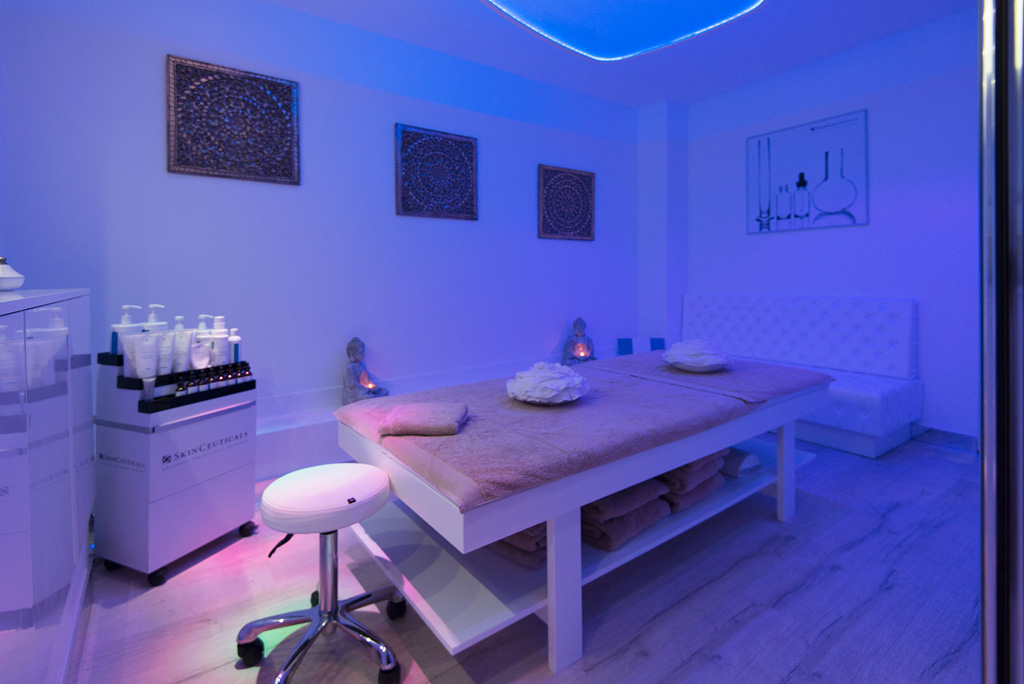
Spa furnishings
Bespoke Spa Furniture: Architecture and Functionality
Creating a spa requires an approach built on managing complex environmental conditions. These spaces have water features, diffused heat and sharp temperature swings. Furnishing these environments means balancing the aesthetic appeal of physical and mental relaxation with strict engineering requirements. FIAPP designs and manufactures custom spa furniture, evaluating the specific needs of each architectural project.
Our production process starts with a floor plan analysis to define how guests and staff flow through the space. The visitor experience alternates between heat, cold reaction, and rest. Every area of the journey needs dedicated joinery that supports these transitions without visual interruptions. Made-to-measure furniture integrates naturally into the building’s architecture, using wall niches or hiding the large ventilation systems needed for indoor moisture control. Customising structural elements creates a harmonious environment free from visible technical obstacles.
Catalog
Products for beauty salons and SPAs
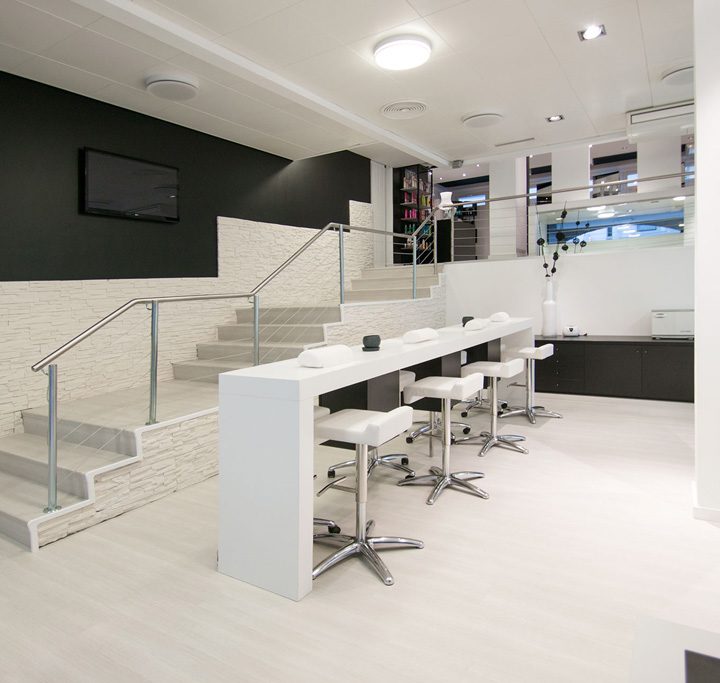
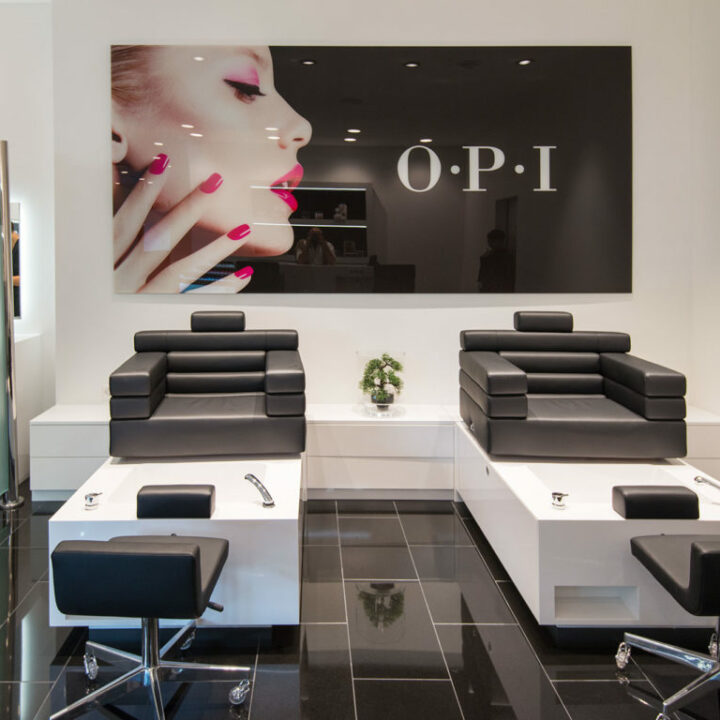
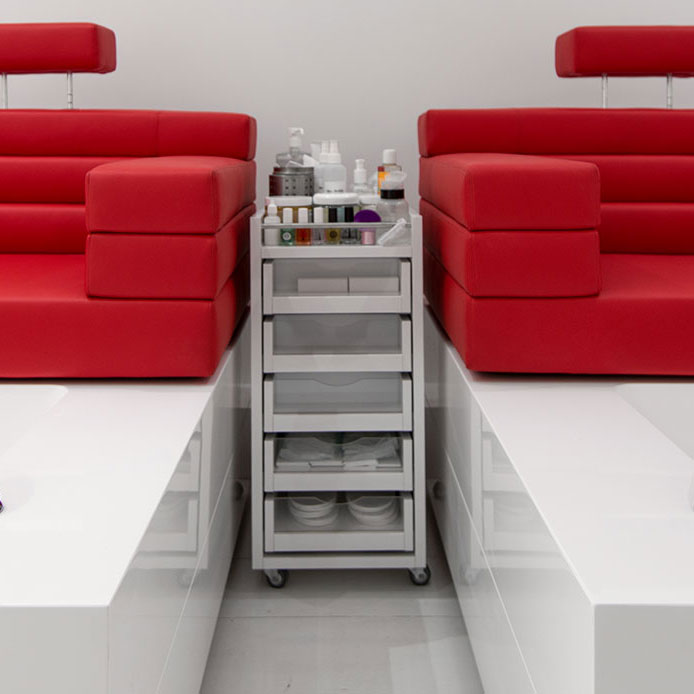
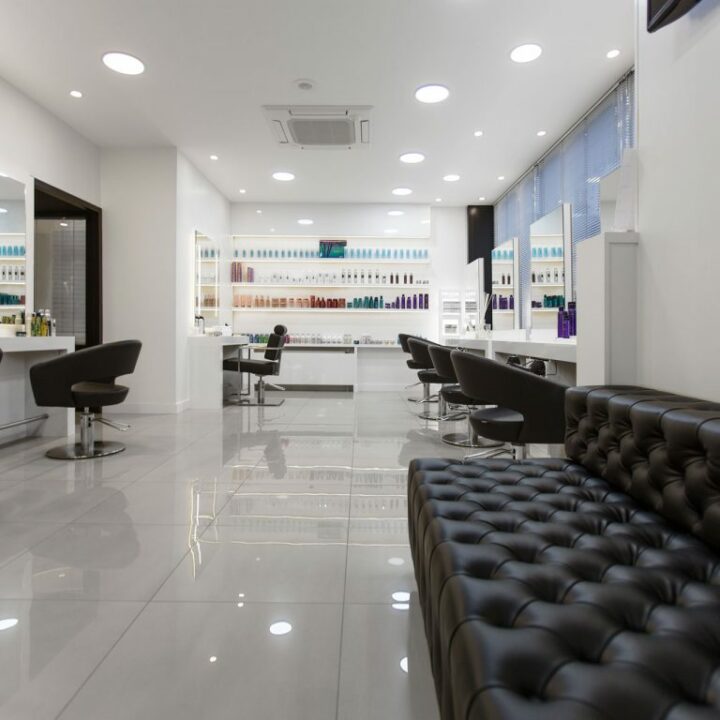
A huge assortment of products for beauty salons, such as service cabinets, working chairs, massage beds, wardrobes, workbenches for manicure and workstations for pedicure and, in general, everything necessary to carry out the activity in the best way. All furnishings are designed to integrate the most modern equipment and technologies (epilators, tools for body and face care), respecting safety and comfort.
Our project. Your style.
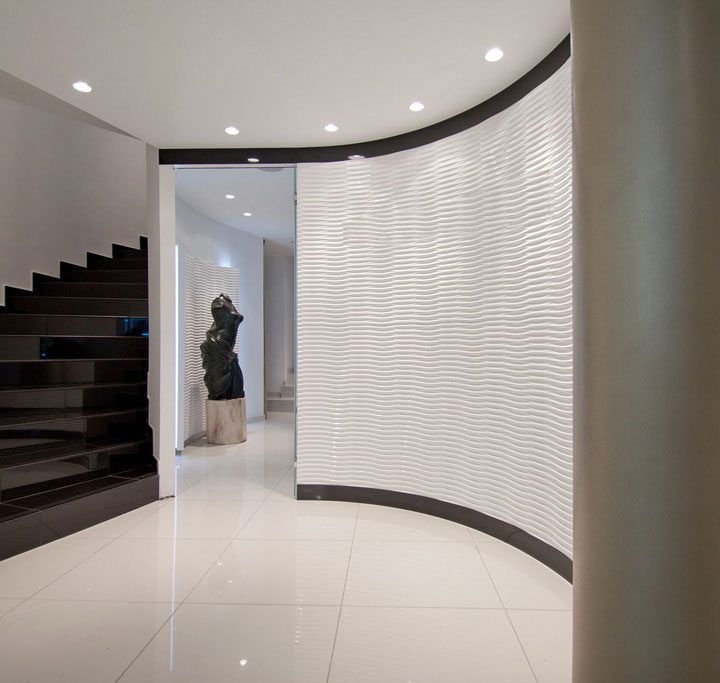
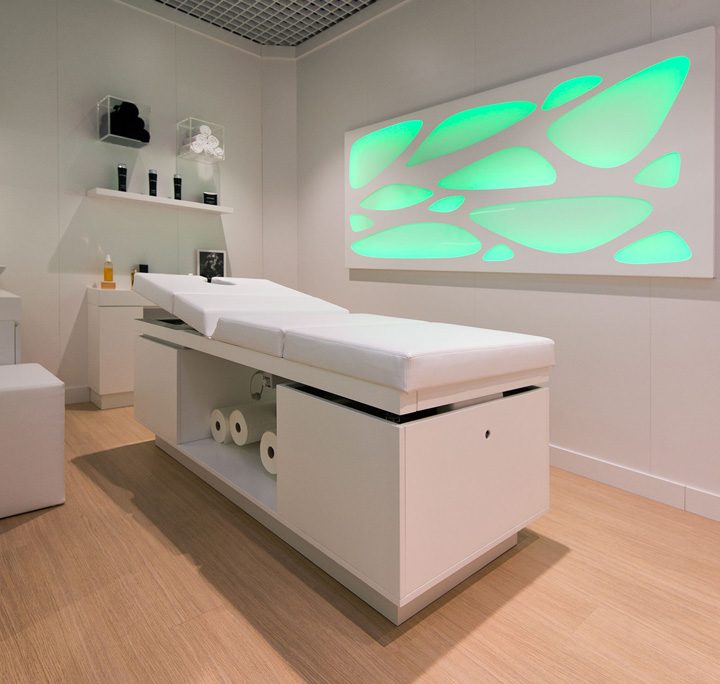
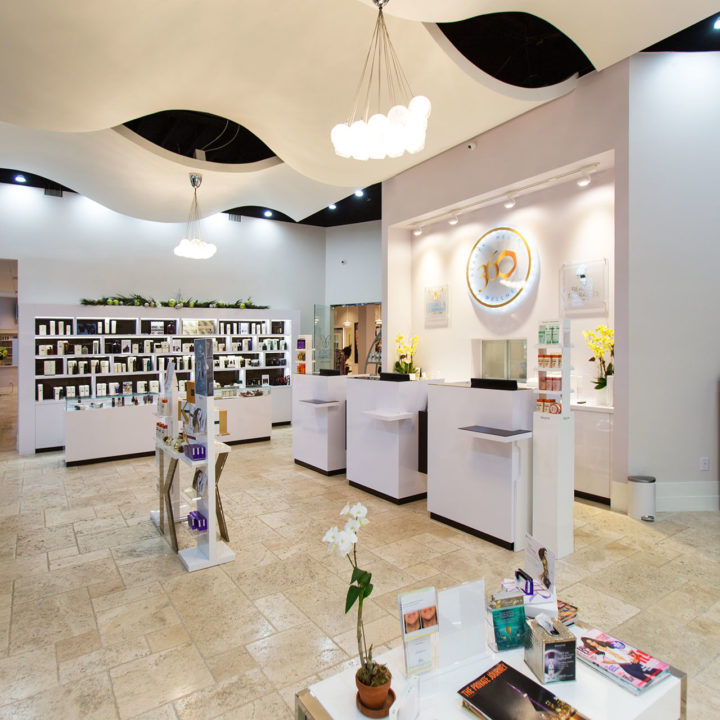
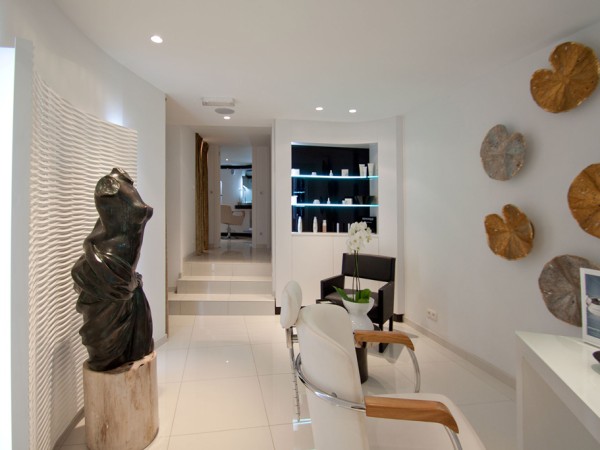
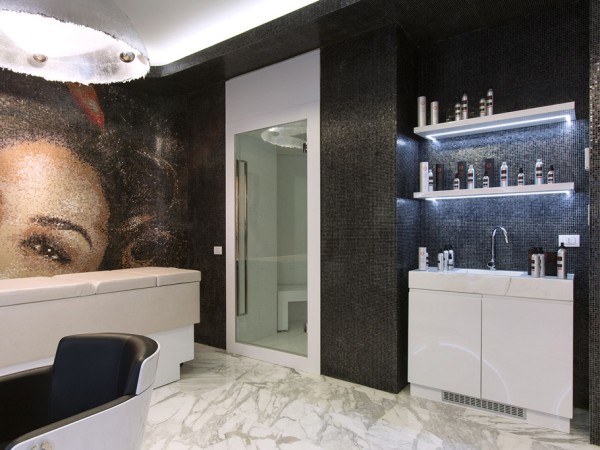
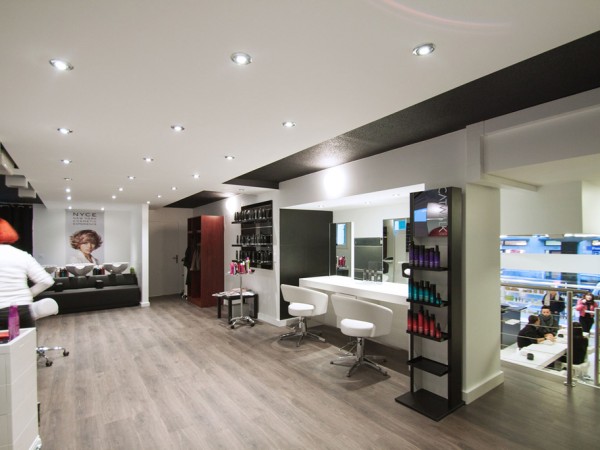
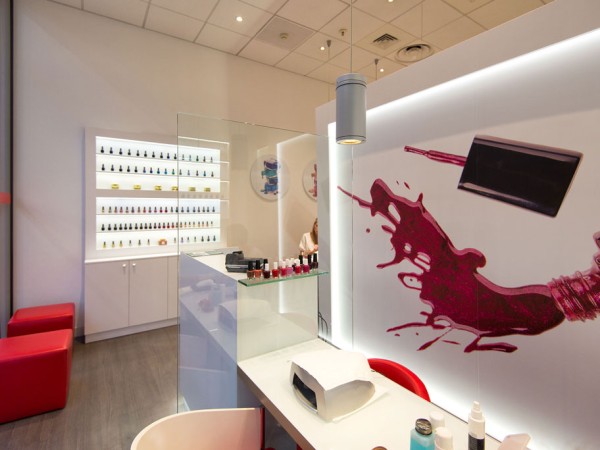
Professional realizations of furniture for beauty centers & SPA
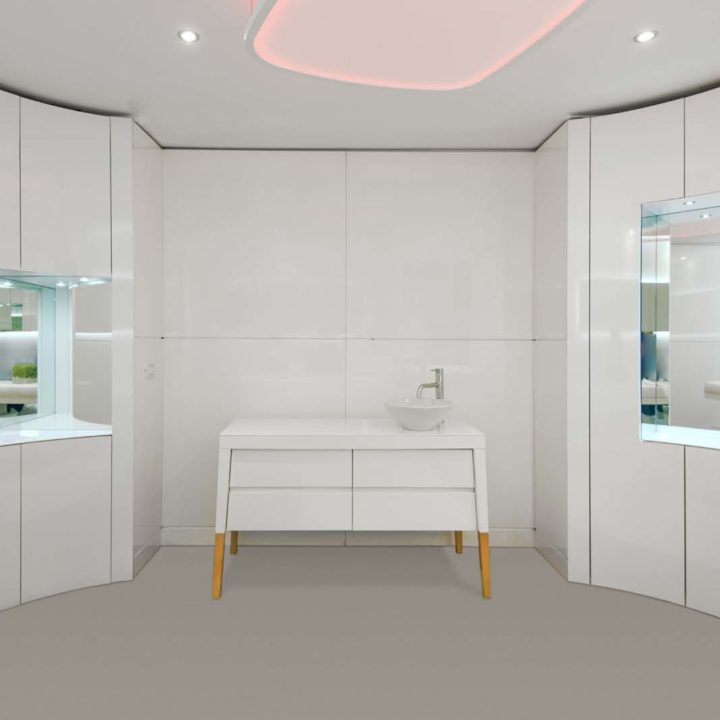
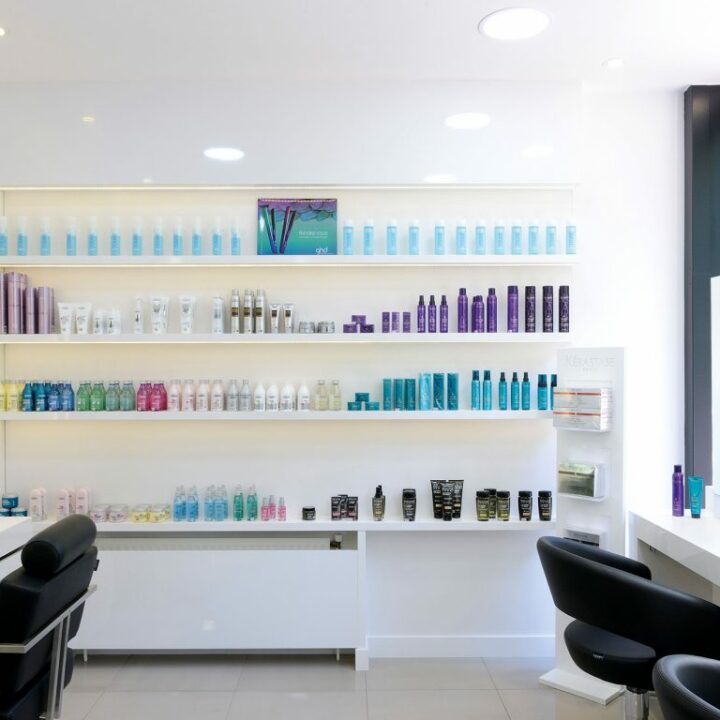
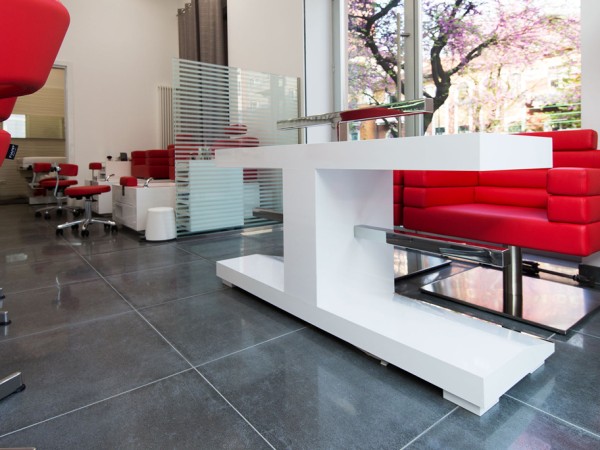
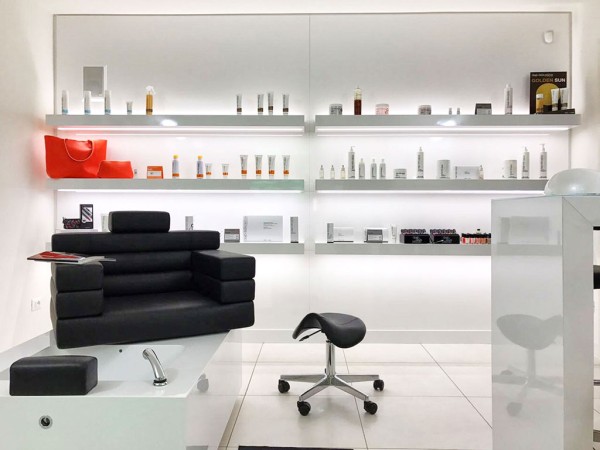
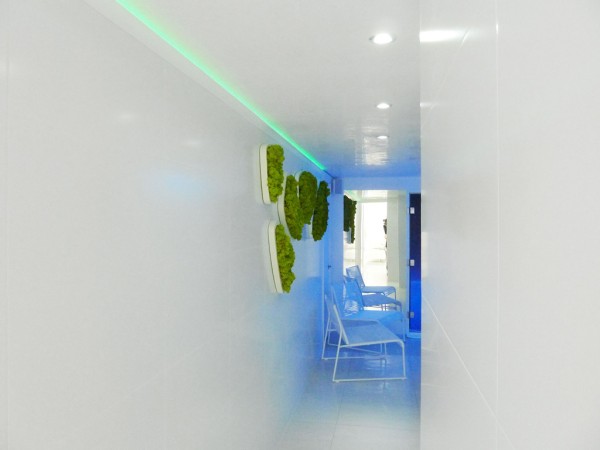
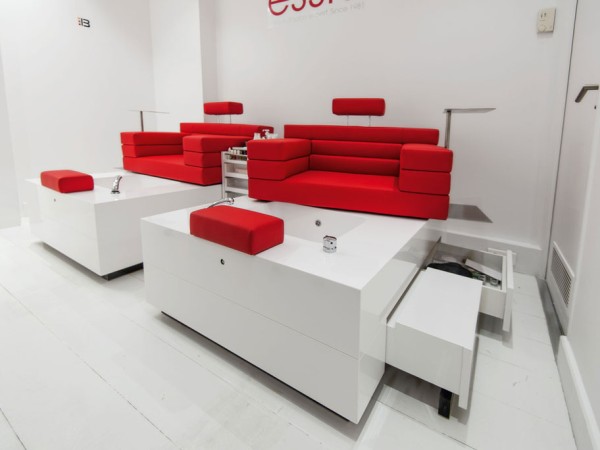
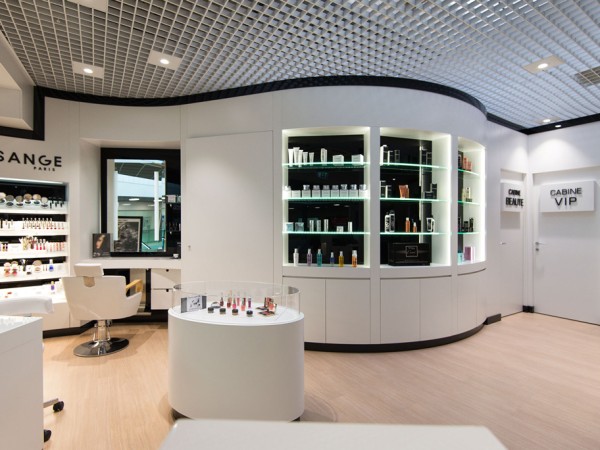
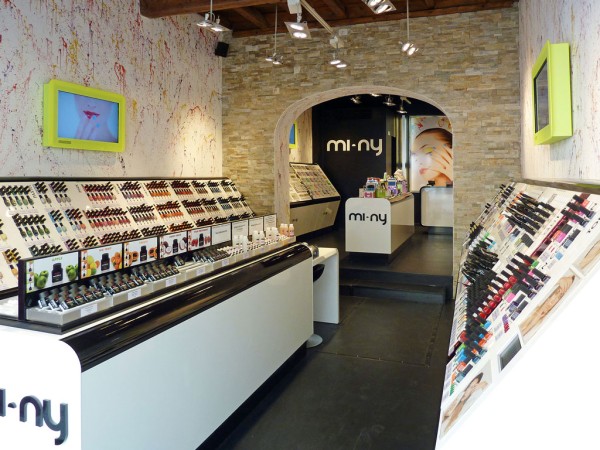
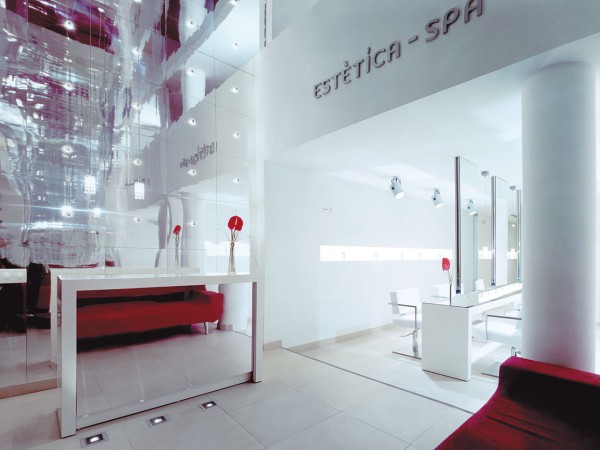
FIAPP through its decades of experience in the sector realizes the complete project of an salon of beauty or a wellness center, develops entire concepts for companies in the sector taking care of every detail with passion and professionalism. FIAPP provides everything necessary to create a functional, safe and cozy work space, evaluating together with the customer the characteristics of the individual creations, customizable in all aspects: materials, colors, dimensions, finishes and style.
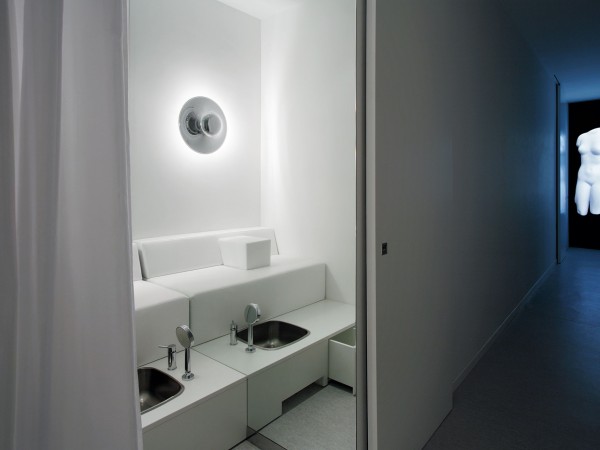
Spa Interior Design: Managing Wet Zones
The installation’s durability depends on choosing the right raw materials. Constant exposure to water vapour rules out standard panelling; we use technical, water-repellent substrates instead. Spa interior design relies on marine-grade plywood bonded with phenolic resins for the carcasses—a material that resists delamination in water-saturated environments.
The external cladding and worktops near saunas and steam rooms need finishes that withstand condensation and high temperatures. Heat-treated wood is an optimal solution for wall panelling and seating near heat sources. This drying process reduces the porosity of the wood fibres, improving dimensional stability. For surfaces in direct contact with liquids, like vanity units or the edges of Kneipp pools, we use low-absorption natural stones or solid surface composite materials. These options eliminate joints, stopping mould growth and making daily sanitisation easier. For this reason, a spa fit-out is a technical project first, an aesthetic one second.
The Relaxation Room: Ergonomic Seating and Acoustic Control
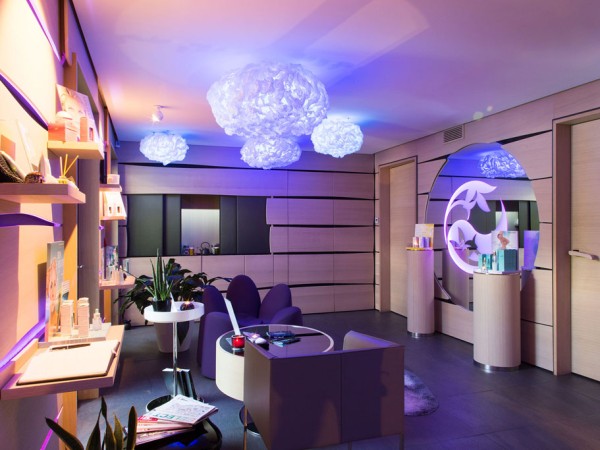
The relaxation room is where the body recovers at the end of the spa circuit. In this area, spa furniture is designed to promote muscle relaxation and lower heart rates. The primary element is the chaise longue, a contoured seat designed to follow the natural curvature of the spine. Relaxation couches use breathable fabrics that tolerate residual moisture from bathrobes without holding onto smells or fading over time.
Beyond the seating, designing the rest area means managing the visual and acoustic space. Milled wood partition panels or double-sided bookcases create private corners within large rooms, shielding guests from foot traffic. The joinery integrates sound-absorbing materials to limit the echo from adjacent pools, helping to create a quiet atmosphere. Small side tables and herbal tea stations complete the room, offering smooth surfaces for rehydrating beverages.
Holistic Cabins and Massage Zones: Technical Materials
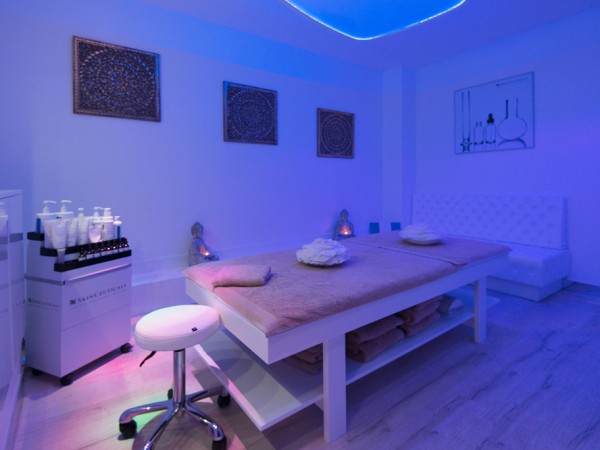
Treatment rooms vary based on the protocols offered, often involving mud therapy or massages with extensive vegetable oil use. The furniture in these cabins needs generous work surfaces and high resistance to greasy cosmetic products.
The main feature of the room is the massage couch. For holistic treatments, solid wood frames are preferred, fitted with thick mattresses to help release tension. For Ayurveda cabins, we install water beds or models fitted with drainage trays. Service units alongside the workstation hold towel warmers, wax heaters and compartments for volcanic stones. Custom manufacturing lets us create handleless drawer units with push-to-open systems for therapists whose hands are full.
Reception and Changing Rooms: Flow Organisation
The entrance requires a well-structured reception desk to manage bookings and payments simultaneously. The counter is designed to hide monitor cables and electronic terminals, offering the visitor an uncluttered, linear surface. Adjacent to the reception is the retail area, selling the cosmetics used in the cabins. Display units need careful lighting to enhance glass bottles without subjecting them to direct heat that could alter active ingredients.
The changing room is the threshold between the outside world and the wet areas. A refined fit-out conveys a sense of order, reassuring the guest from the first moments. Designing spa furniture for changing rooms focuses on the locker system. Wardrobe columns are sized to hold long garments and footwear in separate compartments. We prefer electronic locks with RFID wristbands, so clients don’t have to deal with metal keys in the water. Changing benches integrate shoe storage at the base to save floor space. The hair-drying area requires large mirrors with front lighting to eliminate shadows on the face, paired with water-repellent vanity shelves for wall-mounted hair dryers and concealed bins for used towel collection.
Frequently Asked Questions About Spa Furniture
Which woods are best suited for a spa?
For environments subject to heat and steam, heat-treated wood, cedar, and Nordic spruce are used. These materials have low thermal conductivity and do not burn the skin on contact. For dry areas, wood types can vary based on the architectural project, with a preference for closed-pore finishes to facilitate cleaning.
How do you prevent moisture damage to furniture?
Prevention begins in the design phase. We use water-resistant polyurethane adhesives and marine-grade plywood for the internal carcasses. Furniture edges are sealed with laser technology or specific glues to prevent vapour infiltration. Plinth feet raise the bases off the floor, isolating them from liquids present during cleaning phases.
What features should a holistic treatment couch have?
A couch intended for holistic protocols requires generous dimensions to accommodate the client during long sessions. The structure must ensure lateral stability. The mattress requires oil-repellent upholstery to resist the pouring of warm essential oils. The absence of visible mechanical joints makes surface sanitisation easier at the end of the shift.
How is space organised within changing rooms?
Organisation aims to maximise locker capacity while ensuring fluid corridors. Central benches offer comfortable seating without obstructing door openings. The mirror area is isolated from shower cubicles to protect electrical equipment from direct condensation, utilising shelves made of non-porous materials.
DO YOU HAVE A PROJECT TO CARRY OUT?
OUR STAFF IS AT YOUR DISPOSAL